
Farming & Agriculture guide
Farm maintenance, preparing tractors, irrigation assets and seasonal spares
Use Wular Works for farm equipment histories, tractor-hour service plans, irrigation fault locations and pre-season spare-parts counts.
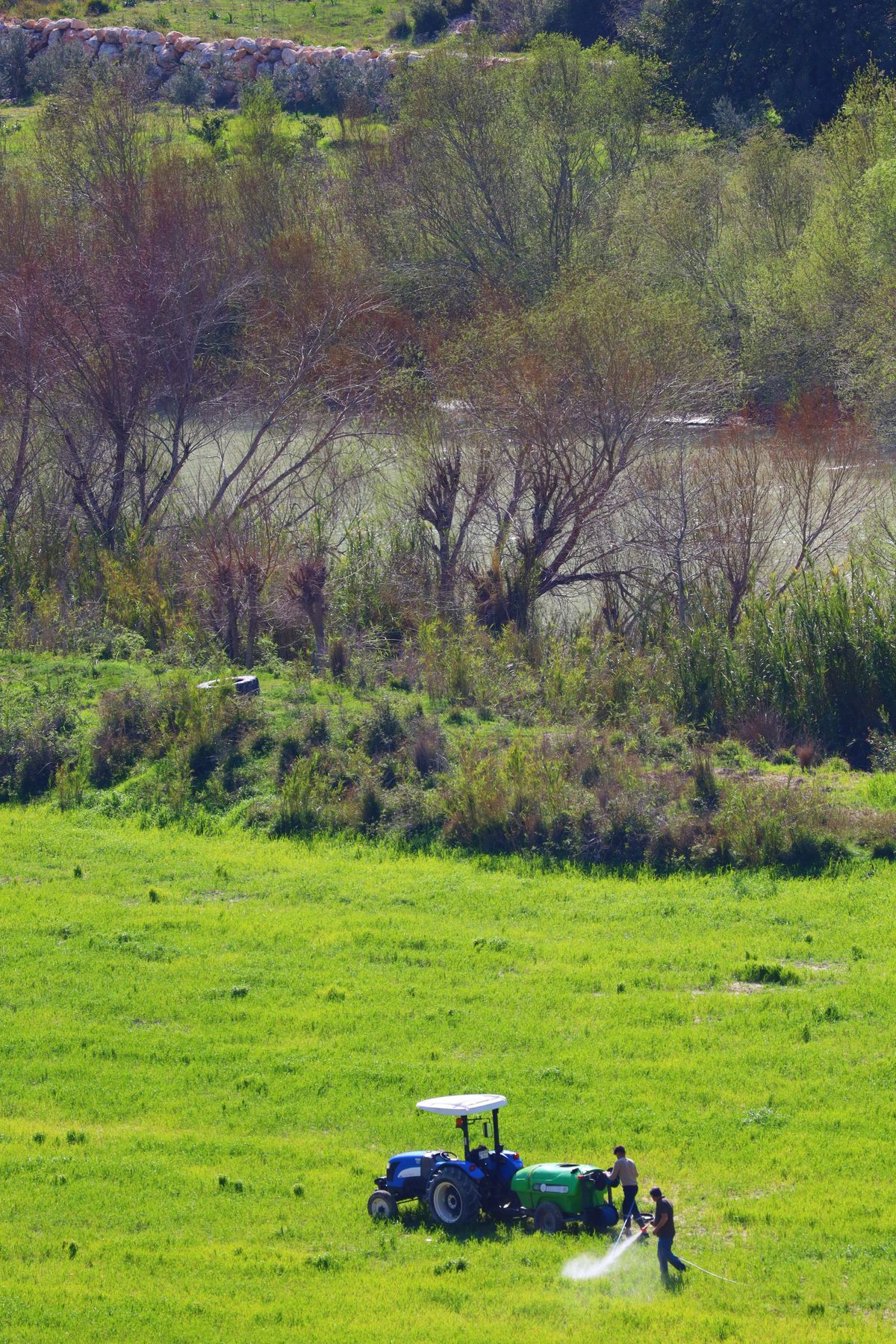
How can Farming & Agriculture teams use Wular Works?
Farm teams can use Wular Works to identify tractors and irrigation equipment, record running hours, plan service before seasonal work and check spare-part balances. Start with the machines and pump houses that the workshop maintains, then connect field reports to assigned repair jobs with the correct location and service history.
Organise equipment by farm, shed and field location
A fleet of tractors and several irrigation pumps needs a naming system that works for the workshop and field supervisors. Create locations for the farm sites, machinery sheds, fields and pump houses. Give each maintained machine a distinct asset code and attach the relevant service manual.
Avoid relying on a model description when more than one tractor has the same specification. Record the individual unit and its current base. For irrigation equipment, confirm the pump house and circuit description with the person who maintains it so a fault report sends the technician to the intended place.
Use run hours to prepare the next workshop service
Record the tractor’s cumulative hour-meter observation when it returns to the shed. Include the reading and observation time. A usage-based maintenance plan can then generate a service job at the selected interval with the saved instruction-template version.
Review the reading history before the busy season. Missing observations can make the service schedule less useful, and a physical meter change needs its own recording process. Plan the service window with the people scheduling fieldwork so a due job can be prepared before the tractor is required again.
Route an irrigation report with enough field context
When a supervisor reports a pump fault, include the farm, field and pump-house location, the affected unit and the observed symptom. Dispatch reviews the request and creates the linked repair job. Attach useful evidence and assign the workshop or irrigation team as the owner.
Record the technician’s findings and the work carried out on that job. If a return visit needs a part, reserve what is available and describe the next action. The equipment history helps the planner distinguish a recurring issue from a new fault on another pump in the same area.
Check seasonal spares before committing the work plan
Before harvest or another planned operating period, count selected belts, filters and other workshop stock by bin. Record the physical quantities in a cycle-count session, review variances and post approved adjustments. This gives the workshop a clearer starting balance for parts reservations.
Start with a manageable group of machines and one stores area. Review whether readings are timely, whether field reports identify the right equipment and whether completed jobs record the parts used. Use those observations to improve the next seasonal plan and extend the process to additional equipment groups.
Three workflows to put into practice
Connect the guide to the modules your team will use on the job.
Service tractors by running hours
Record cumulative engine hours as machines return to the shed. Use the meter interval to generate the next preventive service job.
Explore maintenance plansFind an irrigation fault
A field supervisor reports a pump fault against the correct field and pump house so the technician can distinguish it from the adjacent irrigation circuit.
Explore locationsPrepare seasonal spares
Before harvest, count belts and filters in the machinery shed and record variances so the workshop knows what is on hand.
Explore cycle countsCommon questions
Can tractor servicing follow running hours?
Yes. Use a cumulative meter on the tractor asset and a usage interval on its maintenance plan. Record observations consistently in the configured unit.
How should irrigation faults be located?
Use the farm, field and pump-house hierarchy plus the individual asset code. Include the observed symptom on the request so dispatch has actionable context.
How can seasonal spare-part balances be checked?
Use a cycle-count session to enter bin quantities, review differences and post the approved adjustment before relying on the stock balance.